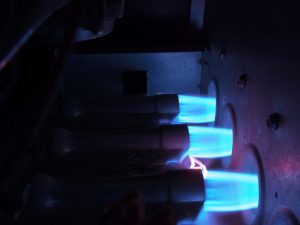
 Have you ever turned on your furnace for the first time of the season, and smelled something burning? A lot of people do, and they think that something is actually wrong with their furnace. Not to worry, though. That’s typically nothing to worry about. Most of the time, that’s actually the smell of the dust particles that have built up in the furnace over the year burning away as the system starts up. After a few hours of operation, that smell should go away. However, there are plenty of other symptoms of furnace issues that you absolutely should take seriously. Read on to find out more about these signs.
Saddleback Plumbing Heating & Air Blog: Posts Tagged ‘Heating’
Signs Your Furnace Needs Repair
Monday, December 4th, 2017Heat Pump Problems to Watch for this Fall
Monday, October 19th, 2015As we move further into fall, you’re probably going to start relying on your heat pump more and more often to keep comfortable. The more you use your heat pump, the more likely it will be for problems to crop up over time. The faster you can get these problems repaired, the better shape your heat pump will be in. Let’s take a look at some of the problems your heat pump can run into, and when you need to call for repairs.
Furnace Problems You Need to Know About
Monday, October 12th, 2015Summer is over, and heating season is here. As you start to use your home’s heating system more and more in the coming months, it’s a good idea to keep an eye out for the various problems that can afflict your system. Furnaces, for example, have a number of issues that can decrease performance or cause a breakdown. It is important to know the symptoms of these issues, so that you can call for repairs as soon as possible. Let’s take a look at some common furnace problems now.
Now is the Time to Schedule Heating Maintenance
Monday, September 14th, 2015With summer winding down, the time is coming near for you to turn off your air conditioner for the rest of the year. Before heating season gets into full swing, however, it’s a good idea to schedule heating maintenance. You don’t want your heating system to break down in the middle of winter, after all. Let’s take a look at why heating maintenance is so integral to keeping your system in good shape.
Should I Consider Hydronic Heating for New Installation?
Wednesday, October 8th, 2014There are a lot of choices when it comes to home heating systems. One that has been around for a long time is hydronic heating, which is a system most commonly associated with use of a boiler. With the advent of better, more durable materials, the outlets for hydronic heating have expanded, giving homeowners even more flexibility. If you are considering hydronic heating, call the experts who can help you with professional heating installation in Tustin: Saddleback Plumbing.
What Is a Hydronic Heating System?
A hydronic heating system is one that uses hot water steam to heat your home. Boilers are part of a hydronic system, and the most commonly-used fuels with these systems are gas or oil.
How Does a Hydronic System Work?
In a hydronic system, water is held in a tank where it gets heated to a specific temperature. Once the water reaches this temperature (or creates the needed amount of steam), it is circulated through a system of pipes to a designated outlet. Outlets can be:
- Radiators
- Baseboard heating
- Hydronic floor heating
- Hydronic wall heating
Hydronic systems are closed systems, so once the water (or steam) cools, it returns to the tank to be heated with the next cycle.
What Are the Benefits of a Hydronic System?
There are a few benefits that hydronic systems have which others may not:
- Good energy efficiency – hydronic systems that use oil as fuel have an average energy efficiency of 89%, and those using gas have average efficiency ratings of 90% and above.
- Comfortable heating – the heat of hydronic systems is gradual, which can be more comfortable for many people when compared to forced air systems.
- Quiet operation – the only time noise is created by a hydronic system is when the combustion operates to heat the water. Otherwise, the circulation and heating is silent.
- No dust – because air doesn’t blow through ductwork, there is no build-up or circulation of dust in your home.
If hydronic heating in Tustin sounds like it’s for you, call Saddleback Plumbing and schedule an appointment with one of our specialists.
Common Heat Pump Repairs
Sunday, January 12th, 2014Heat pump technology in Irvine makes a lot of sense. It combines the functions of a heater and an air conditioner into a single unit, running refrigerant gas through a closed cycle that can alternately heat or cool your home depending on the season. Heat pumps struggle when temperatures drop to the freezing point, but here in sunny So Cal, that almost never happens. More importantly, they are very efficient forms of technology, allowing you to save a great deal of money on your monthly energy bills. They’re dependable forms of technology too, but like any appliance, they sometimes need servicing.
Here’s a brief list of some common heat pump repairs in Irvine.
- Ice coils. Ice on the coils is usually created when the refrigerant gas leaks out of the system. Like A/C units, heat pumps are designed to be used with a specific amount of refrigerant. When that leaks, it creates ice on the coils which both wastes energy and insulates the gas from the very air it’s supposed to be cooling. You can’t just scrape the ice off – it will quickly reform – but a service technician can seal the leak and recharge the refrigerant.
- Fan problems. The fan blows the cool air (or warm air in the winter) from the heat pump into your home. It’s usually powered by its own motor, and if that motor overloads, it can affect the performance of the fan. The fan can also have a bent or a broken blade, or the fan belt could be damaged, lowering the flow of air.
- Incorrect settings. A heat pump with a problematic thermostat or similar equipment might not turn on when it’s supposed to, or it might cycle on and off without regard for the proper temperature. The faulty component will need to be replaced before it will work again.
If you’re experiencing common heat pump problems in Irvine, call on Saddleback Plumbing for help. We handle calls from communities all around Irvine, heat pump technology is well known to us, and we won’t rest until the problem has been located and corrected. You can also schedule an appointment online!
Why Does My Furnace Pilot Light Keep Going Out?
Friday, December 6th, 2013While new furnaces usually have an electric igniter instead of a pilot light, many homes still have furnaces with pilot lights. When the furnace activates, the pilot light ignites the flow of gas so that you can get heat in your home. However, if your pilot light starts to go out often, it might be time to call for repair. Here at Saddleback Plumbing we offer total furnace repair in Laguna Hills for all types of furnaces. If you’re not getting enough heat or if your furnace won’t light, give us a call and we want figure out what’s going on. Here are some of the things that might be causing your pilot light to go out.
Saddleback Plumbing can help you with your heating services in Laguna Hills, like installing a furnace.
Laguna Hills Furnace Repair Tip: Why Is My Pilot Light Going Out?
There are a few different common causes of your pilot light going out. Our experts can fix any type of issue that you’re having. While every home and furnace is different, here are some of the things that could be causing your problems.
- Thermocouple – Your gas-fired furnace has a safety feature called a thermocouple. It detects when the pilot light is lit by constantly testing the flame with a probe and it will shut off the flow of gas if the pilot light goes out. However, if the thermocouple malfunctions, it can inadvertently shut off the flow of gas to your pilot light which will cause it to turn off. If this is the case with your furnace, our technicians may need to replace it, clean it or repair it.
- Lack of maintenance – Another common cause of pilot light problems is just a simple lack of maintenance and cleaning. If your pilot light gets dirty because of dust, it may block the flow of gas to the unit.
If you need any kind of furnace repair in Laguna Hills just call Saddleback Plumbing and one of our experts can help you out. Call today!
Common Types of Heating Systems and How They Work
Friday, November 8th, 2013Our world swims in new technological developments—and this applies as much to home comfort systems as to anything else. When you are looking for a new heater for the upcoming cooler months, you’ll find yourself with a possibly bewildering array of options to choose from: old systems with advanced technology, and new systems that have only recently entered residential use.
Saddleback Plumbing is here to help you navigate your choices for heating in Tustin, CA. Here is a short list of common types of heating systems—all of which we install—and their basic operation.
Furnaces
This is the oldest type of system, although the current models are nothing like the old-fashioned furnaces of fifty years ago. A furnace heats air inside a cabinet using one of a variety of fuel sources (natural gas, electricity, and propane are the most common). Once the heat is transferred to the air, blower fans send the warm air through ducts into your home. This is called “forced-air” heating. Check out our furnace installation service.
Boilers
Boilers do not rely on forced-air, but instead circulate water around a home to various endpoints that radiate heat into rooms. This is called “hydronic” heating. Boilers heat water inside a main tank, and can use electricity, natural gas, or oil as a fuel source to generate heat. A pump then sends the hot water through pipes to the end points. Afterwards, the cooled water returns to the tank. Check out our hydronic boiler system service.
Heat pumps
These are essentially central air conditioning units that can reverse the process of heat exchange so that in addition to moving heat from inside and releasing it outside, it can draw heat from outside and move it into your home to provide warmth. Heat pumps run on electricity. Check out our heat pump installation service.
Hydronic floor systems
This is one of the newest systems to enter homes. Using water from a boiler, heated water moves through pipes that are placed 1 to 4 inches beneath the floorboards of each room in your house. The heated floorboards then radiate the warmth into the rooms. Check out our hydronic floor system service.
We hope this list gives you a push toward thinking about what heating system will work best for you. However, you will eventually need professional advice, as well as installation. Each system has advantages and disadvantages, and it requires an expert to match one to your home so you get the most efficient and effective heating possible.
Contact Saddleback Plumbing, where we’ve kept up-to-date on HVAC technology since we started in business in 1981. We can deliver you top-quality heating in Tustin, CA.
Tips for Getting Optimal Performance from Your Heater This Winter
Friday, October 18th, 2013In terms of heating, San Juan Capistrano benefits from a mild climate and comparatively warm winters. Even so, we get our share of chilly nights and a good heater is essential to protecting your family’s comfort and health. Moreover, you want your heater to perform with maximum efficiency, making sure you don’t spend more than you have to in order to warm your home on those cold winter days. A few sensible steps can help in this regard.
Here are some tips for getting optimal performance from your heater his winter.
- Schedule a maintenance session in the early fall. Your heater has likely sat idle since the spring, a period of up to six months. In that time, it has doubtless accrued its share of dust and debris, while worn components such as bolts or fittings have likely sat unaddressed since last heating session. A routine maintenance session from a qualified technician can clean up that dirt while repairing or replacing any worn parts. Not only does this reduce the chance of a more serious breakdown later, but it lowers the wear on your system, meaning that it can do the job without expending any needless energy.
- Optimize your household. A well-insulated household will retain warm air more easily than one with a lot of leaks and vents. Add more insulation to your attic or walls and seal any leaks around your windows and doors. It will make a big difference to your heater.
- Consider energy-saving upgrades. A programmable thermostat will let you turn your heater off automatically when you leave for work each day, then back on again ten minutes before you arrive home. Similarly, a zone control system lets you turn the heat on only in those parts of the house you’re using, while leaving the rest of the home cool. Each upgrade means greater control over your energy expenditure, and the ability to seriously reduce your heating costs.
For more tips for getting optimal performances from your heater this winter, contact the experts at Saddleback Plumbing for help. We handle all issues related to heating, so come to us for your San Juan Capistrano heating service needs, as we won’t rest until the job is done right. Call us today!
Benefits of Scheduling Heating Maintenance Before Winter
Wednesday, October 9th, 2013No matter what type of heater you have in your home, you need to make sure that it works well throughout the fall and winter months. While the Orange County area is known for its mild winters, residents know that having a reliable heater is critical to maintaining home comfort year-round. Every type of HVAC system needs to be maintained in order to perform effectively and efficiently. At Saddleback Plumbing, we offer an excellent heating maintenance service in Tustin that can give your heater the reliability and functionality that you need to stay warm this winter. While it’s still hot here, winter is just around the corner.
There are numerous benefits to scheduling your heating maintenance before winter arrives.
Here are just a few:
- Energy efficiency. With energy costs seemingly every rising, it’s important to make sure that every aspect of your HVAC system is energy efficient as well as powerful. For many homeowners, this is also a decision that has a direct impact on the environment. Pro heating maintenance leaves your system cleaned and well adjusted so that it heats your home without unnecessarily wasting any energy.
- Performance. While it never gets too cold here in Orange County, the temperature can drop quickly at night and cold snaps have been known to hit us early in the heating season. By maintaining your heater, you can get the most out of its performance. It’s important the status of your heater before the heating season begins so that you can make any necessary preparations.
- System longevity. Another benefit to having your heater professionally maintained before the winter strikes is that it can increase the system longevity. No matter what type or brand of heater you have, it needs to be taken care of on a routine basis. Your heater will not last indefinitely, but regular maintenance is a great way to add some years to its life.
Late summer and fall are great times to ensure that your heater has everything it needs to keep your warm this winter. During our maintenance visit, we will thoroughly clean, inspect and adjust your heater. We work with all system types and brands. Call Saddleback Plumbing today for all of your heating service needs in Tustin.